
The PolyFlora Pathway™
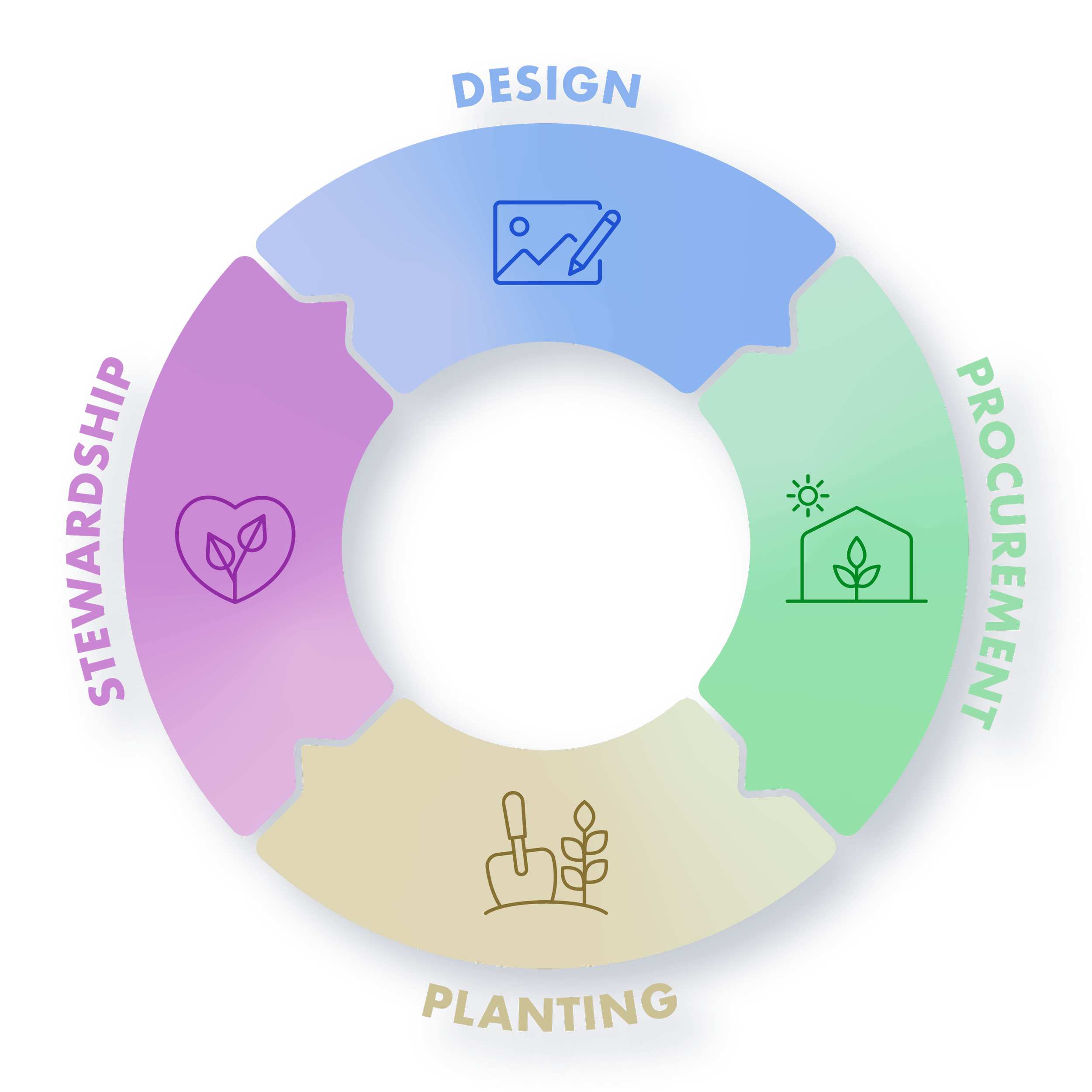
A four-part planting design process connecting design, procurement, planting, and long-term stewardship
The PolyFlora Pathway™ is a garden planning process that connects plant production, plant sourcing, site preparation, planting, immediate aftercare, and long-term guidance. It integrates these phases for coherent implementation and long-term management of plant-centric gardens.
One Process, Three Ways to Use It

The PolyFlora Pathway™ is the core process behind the Studio. It structures our Services, Store, and Compendium. Each one delivers the process in a different format, but the structure stays consistent across Design, Procurement, Planting, and Stewardship.
Use Services when you want expert support through the full process, from early decisions through to long-term guidance. Use the Store when you want implementation-ready tools you can apply yourself. Use the Compendium when you want articles that deepen understanding and strengthen decision-making over time.
Why This Process Matters

Many planted landscapes struggle because their design, implementation, and management are fragmented, which leads to problems. Design is disconnected from plant availability and long-term care. Plant production is detached from design intent and long-term plant performance. Installation is out of sync with the reality of long-term care. Maintenance is misaligned with the original intent.
The results are common — time, money and effort are wasted. Rising weed pressures, thinning plantings, die-offs, and diminished visual appeal result in additional maintenance and re-works to keep things presentable. The PolyFlora Pathway™ reconnects the full chain of the planting design process. It visualizes the full scope of work and clarifies the requirements of each stage. This informed system ensures better decisions are made so plantings can be implemented well and managed with ease as they mature.
The PolyFlora Pathway™ is a method developed by Nathaniel Hannemann for keeping planting work coherent across design, procurement, planting, and stewardship.
Design

Design is pre-production. It turns purpose, constraints, and priorities into clear decisions that drive effective implementation. The value of design is not in “pretty” drawings. The value is in the thinking behind every choice. When done well, design ensures that the right plants are matched to the right place, with the right system of care. This protects your investment and can lower long-term inputs like mulch, irrigation, plant replacements, and unnecessary interventions.
A strong design can also elevate a planting from decorative background to the main feature of a garden. Naturalistic Planting Design creates resilient plantings driven by plant communities using layering, biodiversity, and composition to make coherent, nature-forward experiences. When design decisions are based on how plants grow, persist, and coexist over time, the resulting plantings protect your investment and create functional, enduring, and experientially rich spaces.
Procurement

Procurement is the stage where plants are obtained through production or sourcing. If plants are being produced, procurement includes the process of acquiring starting materials and supplies, then planning the steps and time required to grow plants to a usable size. If plants are being sourced, procurement includes seasonal scheduling, making substitution decisions when availability shifts, and coordinating deliveries. Procurement constraints determine whether a design can be implemented as intended.
In a planting-led practice, procurement is not an afterthought. It is where a design meets the realities of plant quantity, availability, and production time. It is where quality is maintained through decisions about suppliers, plant substitutions, plant format (seed, pot, bulb, etc.), and attention to plant health.
Planting

Planting is where a plan becomes physical reality. It happens in two phases — site preparation and installation. Site preparation may include demolition or construction work, protecting areas from damage, clearing the site of weeds, grading, bed preparation, and creating access for installation and future care. Installation begins by staging plants on site, laying out plant positions, and installing them.
The goal is not simply to plant, but to build the conditions for a planting to establish and perform. This depends on clean site conditions, a clear layout on site, correct planting techniques, and the immediate aftercare required for establishment, including a watering plan, early monitoring, and adjustments as needed.
Stewardship

Stewardship is as important as design. It is an ongoing phase of observation and guidance following establishment. This is where the planting stabilizes, relationships between species become clear, and attention becomes focused on well-timed interventions and selective edits that keep the planting legible, resilient, and intentional over time.
In naturalistic planting, stewardship is not constant fussing or rigid maintenance. It is skilled attention and thoughtful action. It means noticing what is struggling and why, adjusting inputs where needed, making occasional edits, and guiding plant growth so the community can close gaps and resist weeds. The goal is to work with the site, plants, and other life, rather than imposing rigid control.
Over time, stewardship naturally loops back into design. Observations inform the next round of decisions, and small, specific actions can shift composition long-term, whether by reducing weed pressure, removing what is no longer serving the planting, or creating opportunity for renewal. Stewardship is conceived as the means to keep a planting responsive and alive, rather than the means to have it conform to a static concept of being “finished”.
Work With PolyFlora Studio
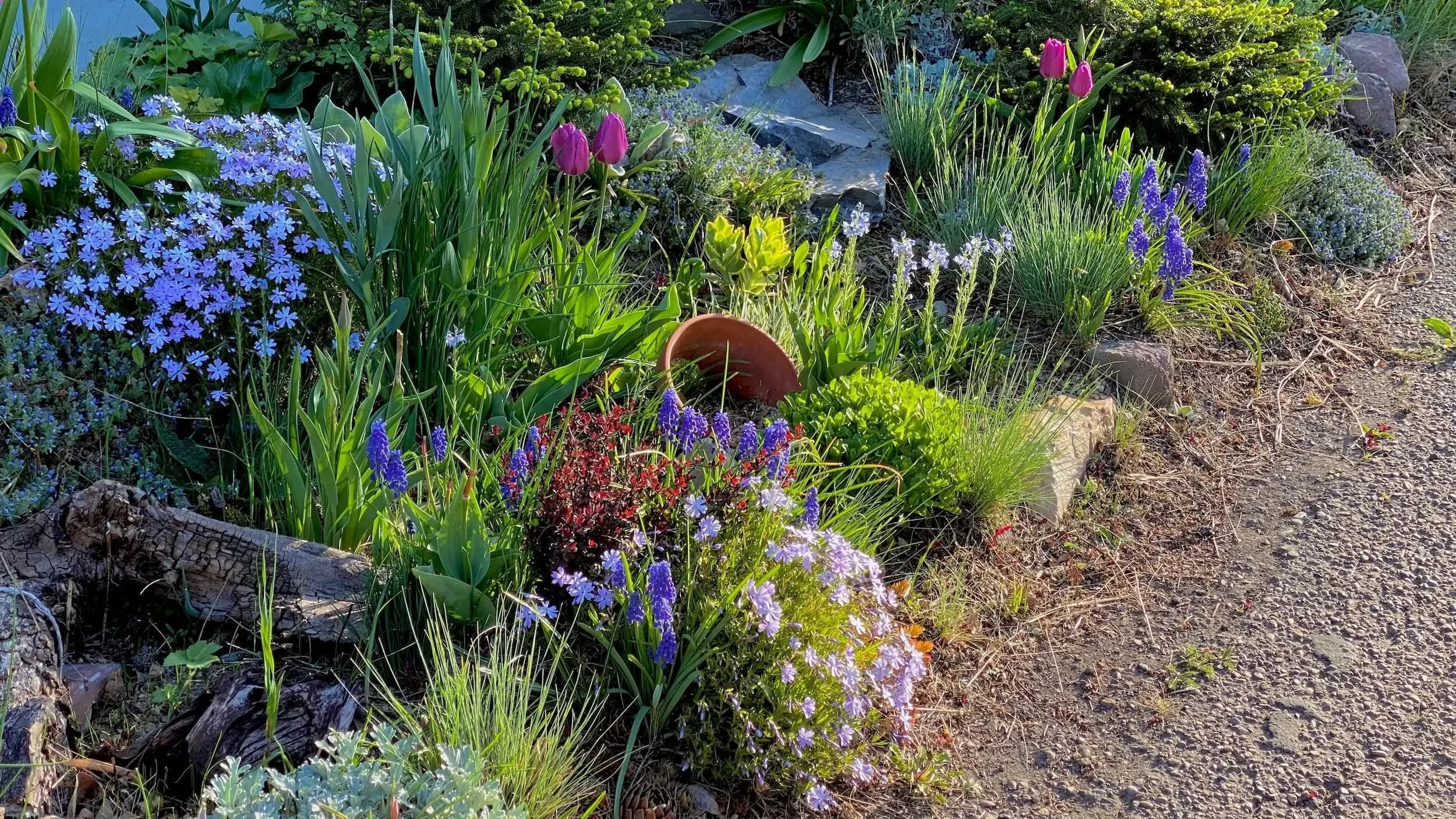
Our planting design services apply the PolyFlora Pathway™ from early decisions through to long-term guidance. View service options that apply this process.
Explore Planning Tools

Browse garden planning workbooks built on the PolyFlora Pathway™. Digital tools that help you plan, source, plant, and steward with clarity.