
Hannemann Garden: Front Meadow
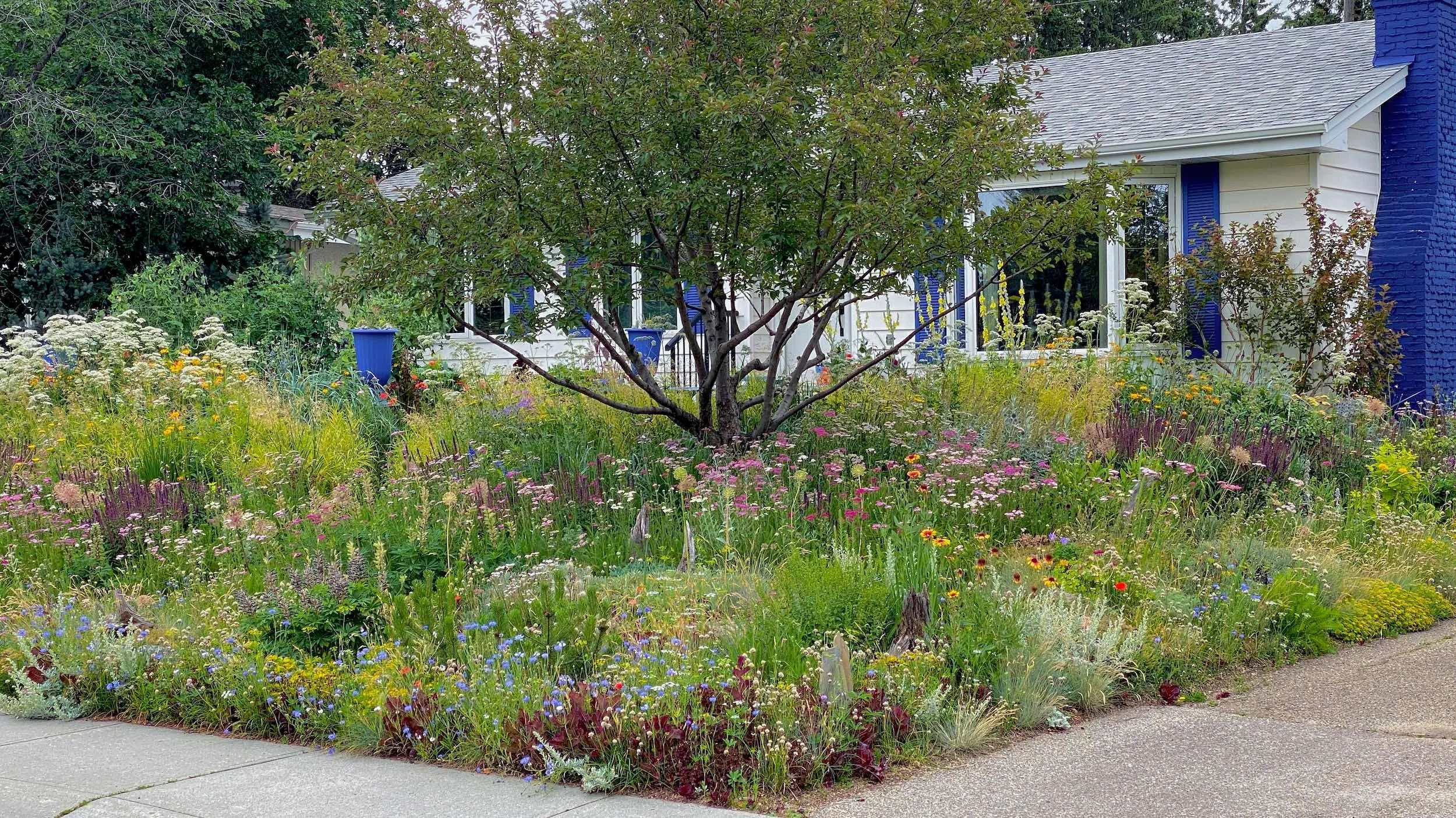
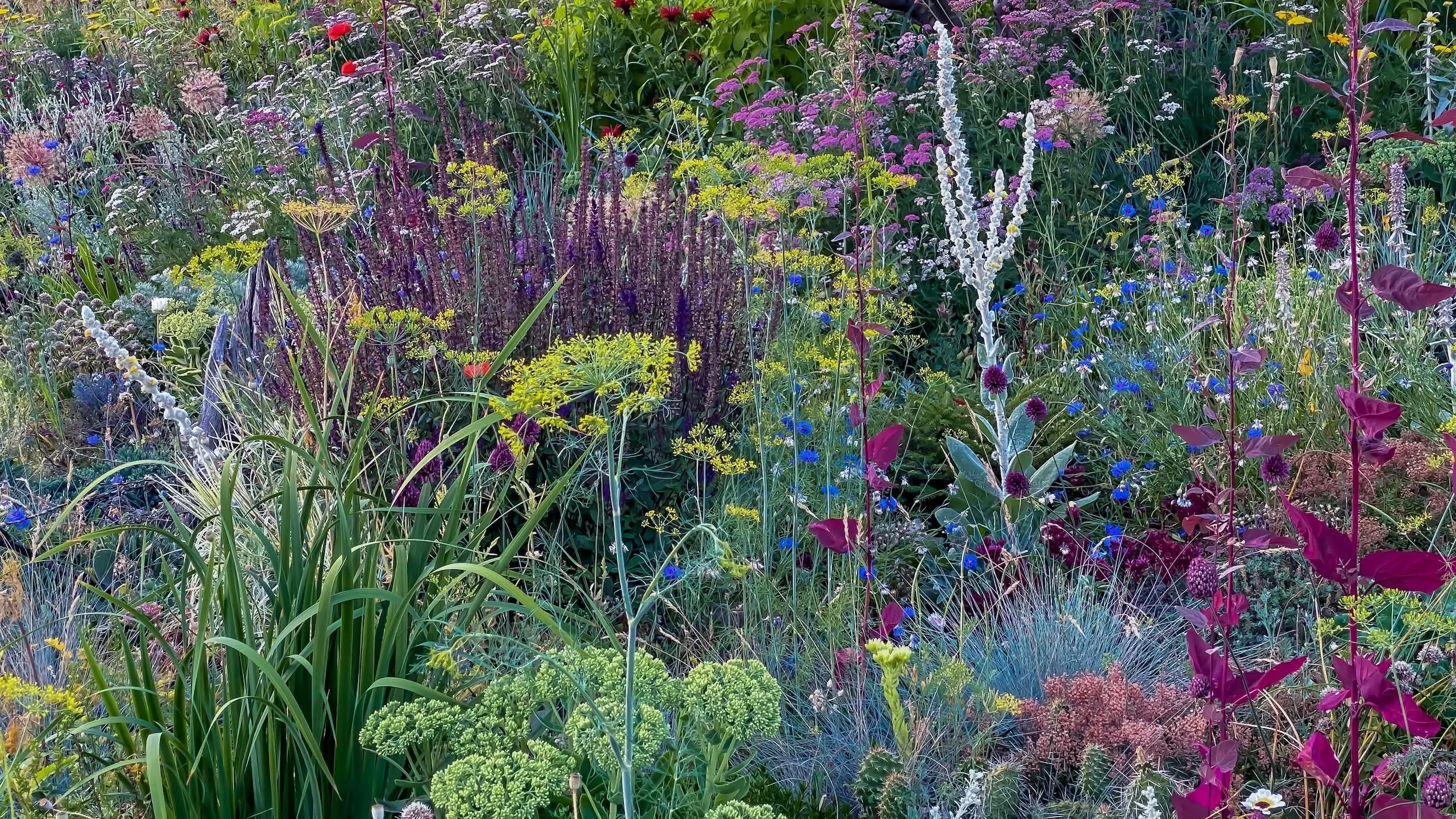
The Front Meadow is an immersive naturalistic planting project in Edmonton built around layered plant communities, strong seasonal structure, and long-term ecological performance. With over 100 species and a transition from steppe planting to tall meadow, this garden shows how resilience can also be deeply beautiful.










Hannemann Garden: Front Meadow
This Edmonton garden showcases naturalistic planting at its most immersive — combining biodiversity, structure, and seasonal rhythm. Layered plant communities, over 100 species, and low-input techniques, come together to create a living system that evolves, thrives, and invites connection.
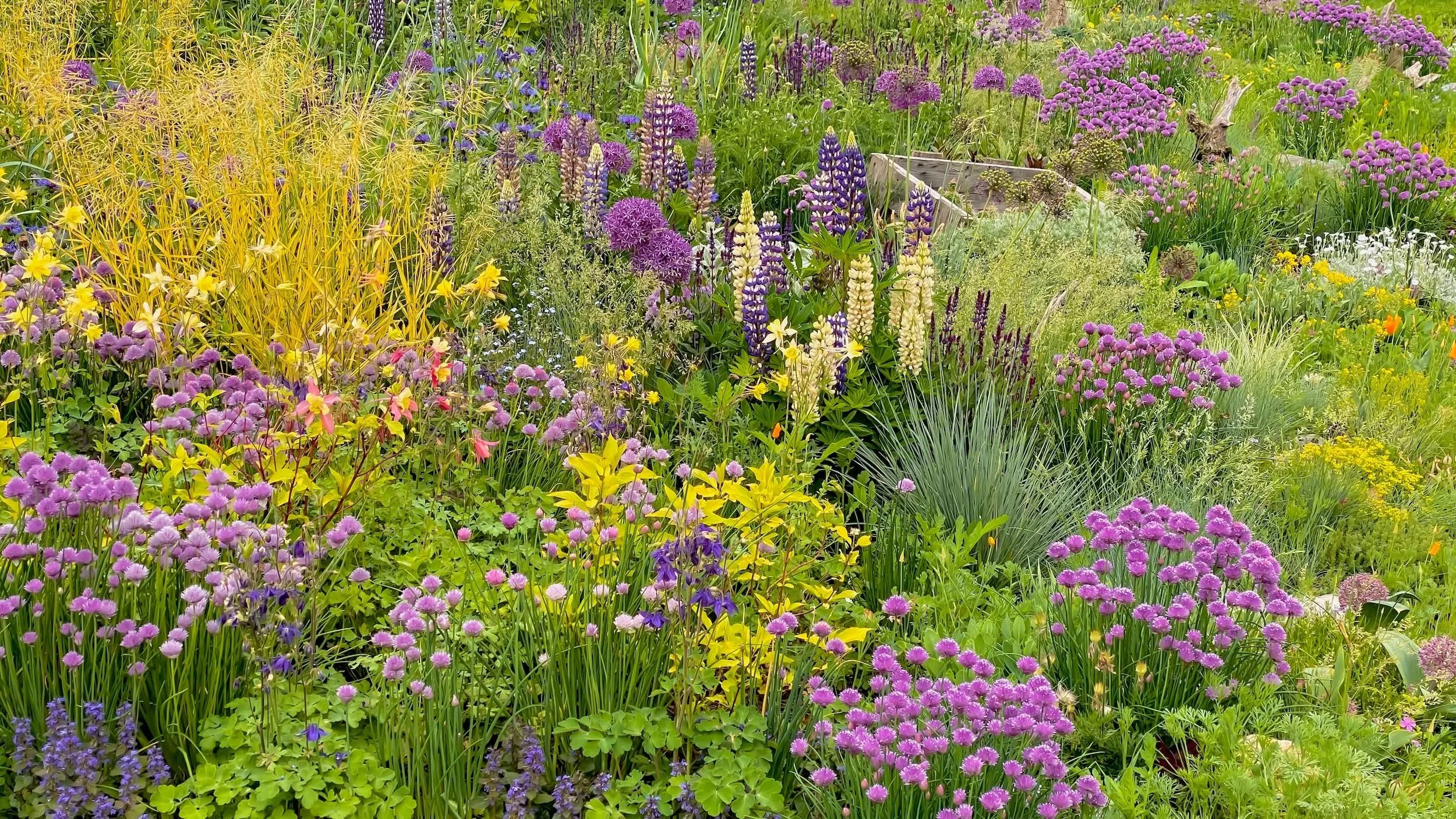
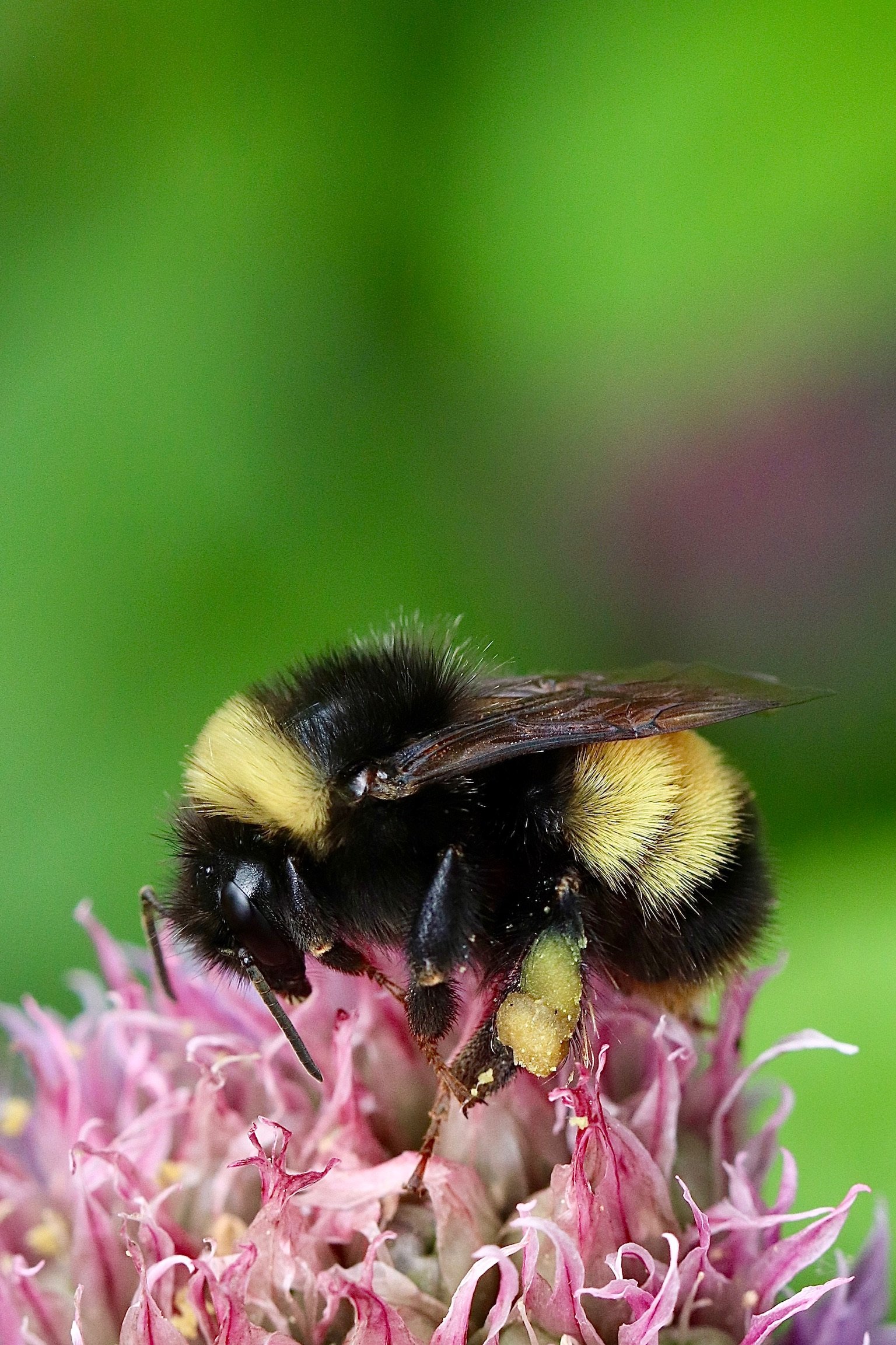
A living experiment in naturalistic planting design, the Hannemann Garden is a dynamic, immersive landscape where biodiversity, seasonality, and artistic composition come together. What was once a conventional space has been transformed into a richly layered, ecologically driven garden that evolves over time. Every planting is designed for interplay, adaptation, and long-term resilience, creating a landscape that is both visually compelling and deeply functional. This garden is not static — it shifts with the seasons, engages wildlife, and invites visitors into an ever-changing dialogue between design and ecology.
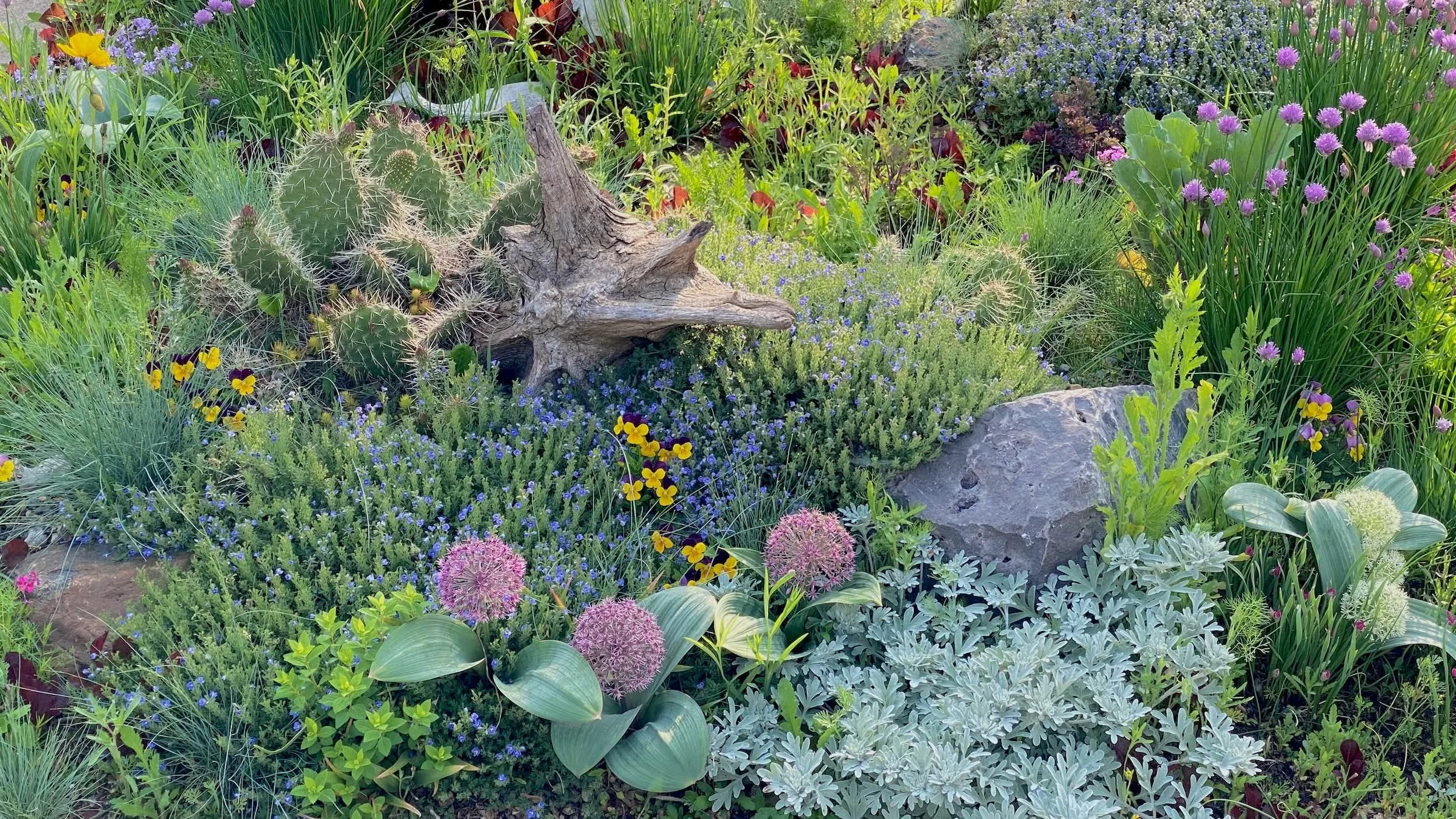
At the heart of the garden, the Front Meadow is a bold exploration of high-impact naturalistic planting, structured in three distinct layers: tall meadow, short meadow, and steppe/rock garden. Containing over 100 species and several thousand plants, it transitions from tall, architectural forms at the back to a drought-adapted, low-growing composition at the front. The planting includes bulbs, groundcovers, herbaceous perennials, ornamental grasses, shrubs, and trees — selected primarily for their ease of propagation, behaviour, and longevity.
Sculptural elements are woven throughout. Bones, driftwood, and pottery fragments contribute to seasonal texture and form. A chest filled with blue glass and planted with native Opuntia cacti serves as a focal point, referencing themes of abandoned treasures and unexpected abundance.
Closer to the house, a kitchen garden provides food, and a private seating area invites quiet retreat, creating a garden that balances experience, utility, and beauty.
Explore more garden design projects that blend ecological function with immersive beauty.
Want to learn more about how this garden was made?